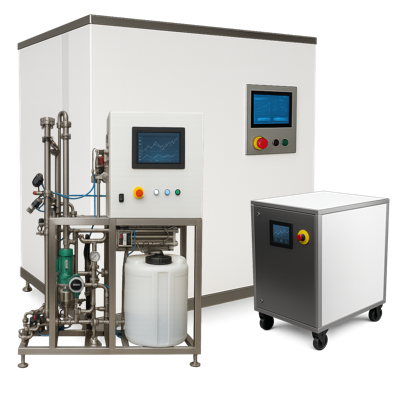
Biological effluent decontamination: a regulatory and ethical obligation
Research, diagnostic, and biological production laboratories generate potentially contaminated liquid effluents daily: wash water, used culture media, and liquids from analyzers, fermenters, or bioreactors. These effluents may contain bacteria, viruses, spores, GMOs, or other biological agents whose untreated discharge into the sanitary sewer is strictly regulated, or even prohibited, by Canadian and provincial biosafety authorities.
In Canada, laboratories are subject to the guidelines of the Public Health Agency of Canada (PHAC) as well as provincial regulations governing the management of risky biological materials. Non-compliance with these requirements exposes institutions to administrative sanctions, operational shutdowns, and risks to public health and the environment.